
What Is Fumigation, and When Is It Necessary for Pest Control?
People searching for pest fumigation are typically looking to eliminate severe infestations, and local service providers can handle the treatment safely and effectively.
Understanding what fumigation involves and knowing when it becomes a necessary step in pest control can be essential for property owners facing severe infestations. Fumigation is a comprehensive pest management method that uses gaseous treatments to eliminate pests in structures or stored goods. If pests have invaded in large numbers or are difficult to control with traditional methods, professional fumigation services provided by local contractors might be the most effective solution. Staying informed about this process helps property owners make timely decisions to protect their homes and businesses from extensive damage or health concerns.
For those in the area dealing with persistent or invasive pests, recognizing when fumigation is needed can prevent ongoing issues from escalating. Local service providers are equipped to assess situations and determine if this intensive treatment is appropriate. Exploring this topic ensures property owners understand the circumstances that call for such measures and how local contractors can assist in delivering safe, thorough pest removal. Keep reading to learn more about how fumigation fits into a broader pest control strategy and when it might be the right choice for your property.
- Pest Fumigation - local contractors can provide fumigation services when severe infestations require thorough elimination of pests in residential or commercial properties.
- Pest Fumigation - professionals are often called upon when pests like termites or bed bugs have spread extensively, necessitating a comprehensive treatment approach.
- Pest Fumigation - service providers can advise on fumigation when traditional pest control methods are insufficient to address persistent or invasive pest problems.
- Pest Fumigation - local pros can perform fumigation in situations where pests pose health risks or threaten structural integrity, ensuring safe and effective treatment.
- Pest Fumigation - experts are equipped to handle the process when a property needs a deep, all-encompassing pest removal solution to prevent future infestations.
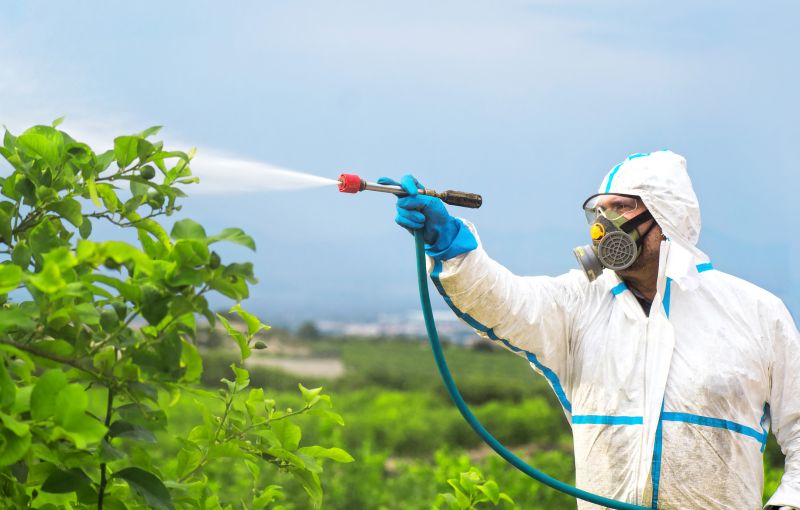
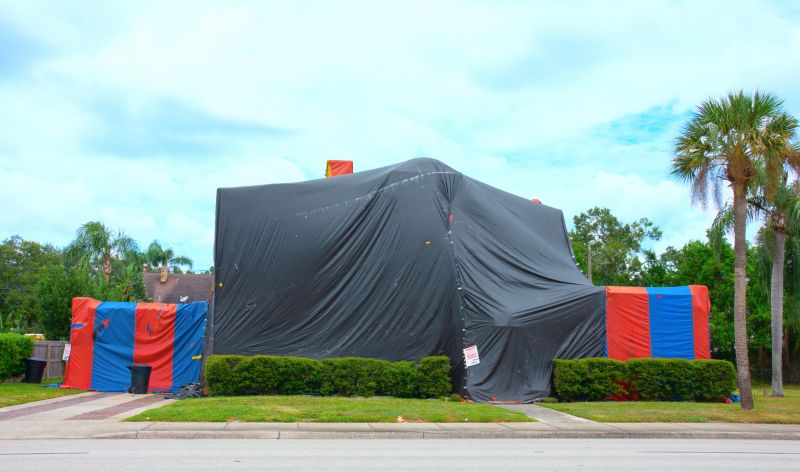
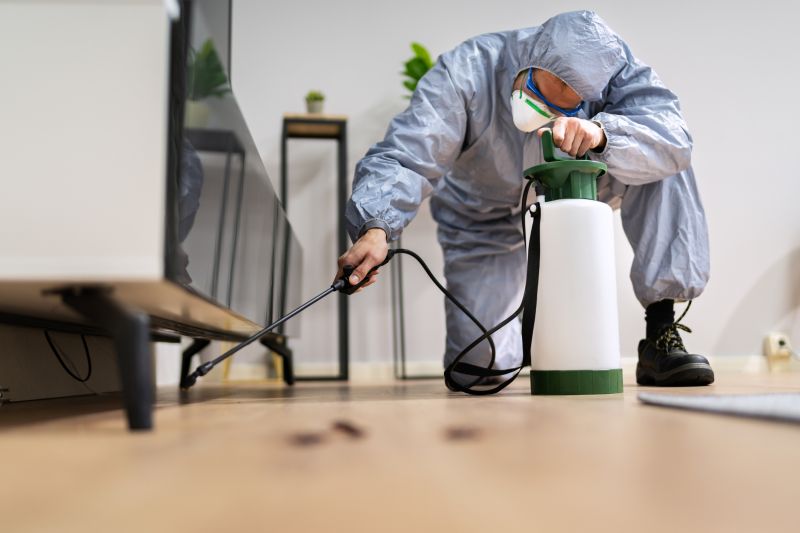
Fumigation is a pest control method that involves the application of gaseous pesticides to eliminate pests within a property. When people search for what is fumigation, and when is it necessary for pest control, they often want to understand the circumstances that warrant such an intensive treatment. Typically, fumigation is considered when pests have invaded a property at a level that cannot be managed through standard methods like trapping or surface treatments. It is especially relevant for infestations of pests such as termites, bed bugs, or stored product insects that hide deep within structures or materials, making other approaches ineffective. Homeowners may also explore fumigation if they are preparing to purchase or sell a property and want to ensure it is pest-free, or if previous treatments have failed to resolve persistent pest issues.
This method is often associated with severe or widespread infestations that threaten the integrity of a property or pose health concerns. For example, termite fumigation is a common solution for eliminating entire colonies that have compromised the wooden structures of a home. Bed bug fumigation is another scenario, particularly when infestations are extensive and resistant to conventional treatments. Additionally, properties involved in storage or warehousing of food products might require fumigation to prevent contamination or spoilage caused by pests. In each case, the goal is to eradicate pests thoroughly and prevent future problems, making fumigation a strategic choice in the pest control plan.
Properties that typically come up in discussions about fumigation include residential homes, especially those with severe termite or bed bug issues, as well as commercial buildings such as warehouses, food storage facilities, and hotels. Large or complex structures often require more comprehensive pest management approaches, and fumigation becomes a practical option for ensuring complete pest elimination. Sometimes, properties that have experienced repeated infestations or have structural damage caused by pests are candidates for fumigation. Local contractors who specialize in pest fumigation can assess the specific situation, determine whether fumigation is appropriate, and carry out the treatment safely and effectively.
Understanding the role of local service providers in fumigation is key for homeowners considering this option. These professionals have the experience and equipment necessary to perform the process properly, ensuring pests are eradicated without unnecessary risks. They can evaluate the severity of an infestation, recommend whether fumigation is the right approach, and coordinate the treatment in accordance with safety standards. For property owners dealing with stubborn or widespread pest problems, consulting with a local pest fumigation contractor can be an essential step in developing an effective pest management plan. This helps ensure the property is thoroughly treated and future infestations are less likely to occur.
Structural Pest Inspections - professionals assess properties for pest activity and determine if fumigation is an appropriate treatment option based on the infestation type and severity.
Termite Treatment Projects - local contractors specializing in termite control often utilize fumigation methods to eliminate entire colonies from residential or commercial structures.
Infestation Remediation for Stored Goods - service providers offer fumigation services to treat stored food, furniture, or equipment that may harbor pests like beetles or moths.
Mold and Pest Control Services - some contractors combine fumigation techniques with mold removal to address multiple issues in heavily infested spaces.
Warehouse and Storage Facility Treatments - local pros perform fumigation to protect inventory from pests that can cause extensive damage or contamination.
Disaster Response and Decontamination - specialists may utilize fumigation during cleanup efforts after pest infestations or other biohazard concerns in affected properties.
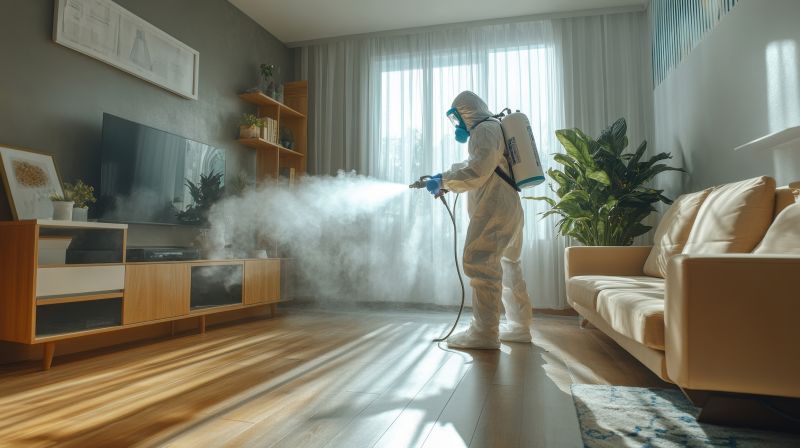
When comparing local contractors for pest fumigation services, it’s important to consider their experience with similar projects. A contractor’s familiarity with the specific pests involved and the complexity of fumigation procedures can impact the effectiveness of the treatment. Homeowners should inquire about the types of infestations they have handled in the past and whether they have experience with properties similar in size and structure. This helps ensure that the service provider understands the nuances of fumigation and can recommend the most appropriate approach for the situation.
Clear, written expectations are essential when evaluating potential service providers. Homeowners should seek detailed descriptions of what the fumigation process entails, including preparation requirements, duration, and post-treatment steps. Having this information in writing helps prevent misunderstandings and ensures that both parties are aligned on the scope of work. It’s also beneficial to review any guarantees or warranties offered, as these can provide additional confidence in the provider’s commitment to effective pest control.
Reputable references and good communication are key factors in choosing a reliable contractor. Homeowners are encouraged to ask for references from previous clients who had similar pest issues and to verify the quality of the work performed. Additionally, a service provider’s responsiveness and clarity in explaining the process can make the experience smoother and more transparent. Effective communication ensures that homeowners are well-informed throughout the process, which is especially important when dealing with the complexities of fumigation and understanding when it is necessary for pest control.
Property owners often search for what is fumigation, and when is it necessary for pest control? when they are planning practical projects around their homes and businesses. Local pros provide Pest Fumigation services for everyday jobs and straightforward project options.
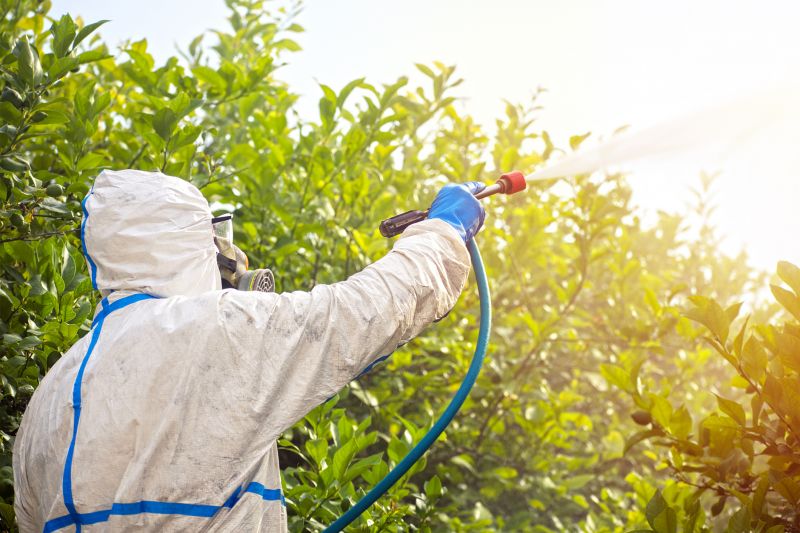
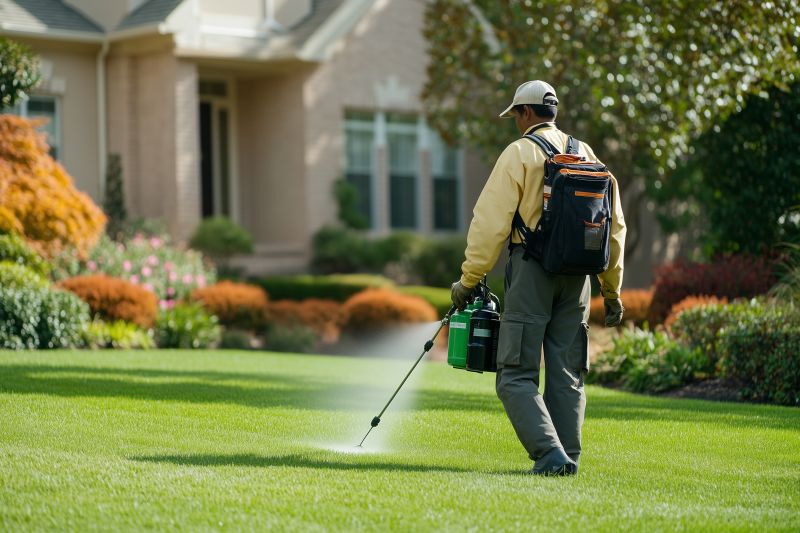
Fumigation is a pest control method that involves the use of gaseous substances to eliminate pests within a property. It is often considered when infestations are severe, widespread, or resistant to other treatment options. Property owners dealing with persistent issues such as termites, bed bugs, or other stubborn pests might look up what is fumigation, and when is it necessary for pest control? In such cases, local contractors who specialize in fumigation can assess the situation and determine if this comprehensive approach is appropriate, helping to ensure the pests are fully eradicated.
Understanding when fumigation is necessary can help property owners decide on the most effective pest management strategy. Typically, it is recommended for infestations that cannot be controlled through conventional methods or when pests have penetrated hard-to-reach areas. Local service providers who offer fumigation services can handle these situations, providing a thorough solution that addresses the root of the problem. Consulting with experienced professionals can help determine if fumigation is the right choice for a specific pest issue, ensuring the property is properly treated and pests are eliminated efficiently.
What is fumigation, and when is it necessary for pest control? Fumigation involves using gaseous chemicals to eliminate pests in a structure. It is typically necessary when pests are widespread, resistant to other treatments, or hidden in hard-to-reach areas. Local contractors can assess the severity of an infestation and determine if fumigation is the most effective solution.
How do pest fumigation services differ from other pest control methods? Fumigation is a comprehensive approach that targets pests throughout an entire building using gas, unlike spot treatments or sprays. Local service providers can advise if fumigation is needed based on the type and extent of the pest problem.
When should someone consider fumigation for pest control? Fumigation is often considered when infestations are severe, persistent, or involve pests like termites or bed bugs that are difficult to eradicate with conventional methods. Consulting with local pros can help determine if fumigation is appropriate.
Can fumigation be used for all types of pests? No, fumigation is most effective for pests such as termites, bed bugs, and certain stored product pests. For other pests, local contractors may recommend alternative treatments better suited to the specific situation.
What are the signs that fumigation might be necessary? Signs include widespread pest activity, damage caused by pests like termites, or failure of previous control methods. A pest professional can evaluate the situation and advise if fumigation is the right course of action.
Understanding fumigation needs - Property owners can evaluate whether their pest problem requires fumigation services by consulting local contractors for professional assessment.
Timing for pest control treatments - Recognizing when pests have become invasive or persistent can help determine if fumigation is the appropriate step in a pest management plan.
Preparing a property for fumigation - Planning and coordinating with local pros ensures proper preparation of the space to maximize the effectiveness of the fumigation process.
Choosing the right pest control method - Comparing options with local service providers helps property owners decide if fumigation is necessary or if alternative treatments are suitable.
If you are thinking about what is fumigation, and when is it necessary for pest control? for a property, this guide is meant to help you understand this topic, the typical project types, and how different options might fit your plans.
When you are ready, you can use the quote form on this page to share a few details about your project. From there, local pros can review the basics and follow up with options that match what you have in mind.