
How Fumigation Works in Residential and Commercial Buildings
People searching for residential and commercial fumigation are typically looking to eliminate pests or pests' habitats, and local service providers can effectively handle these treatments.
Understanding how fumigation works in residential and commercial buildings can help property owners make informed decisions about pest control options. Whether dealing with persistent infestations or preparing a property for occupancy, knowing the basic process can provide reassurance and clarity. Local contractors who specialize in fumigation services have the expertise to handle a variety of situations, ensuring that treatments are carried out effectively and safely. Exploring this topic further can reveal practical insights into how these treatments eliminate pests and protect property investments.
Property owners in the area might consider fumigation services to address common issues like termites, bed bugs, or other invasive pests that can cause damage or discomfort. Learning about how fumigation works can help in understanding the steps involved and what to expect during treatment. Local service providers offer residential and commercial fumigation solutions tailored to specific needs, making it easier to find a professional who can assist with pest management goals. Keep reading to discover more about the process and how local experts can support property care.
- Residential fumigation services are needed when homeowners encounter persistent pest infestations, and local contractors use specialized treatments to ensure thorough elimination. Commercial fumigation services are essential for businesses facing severe pest issues that threaten health codes or operations, with service providers applying targeted approaches for large-scale buildings. Residential fumigation may be required during renovation or construction to prevent pest migration, with local pros implementing safe, controlled procedures. Commercial fumigation is often used in warehouses and food facilities, where experts handle the process efficiently to minimize disruption. Both residential and commercial fumigation involve preparation and containment steps managed by local contractors to ensure effective pest eradication.
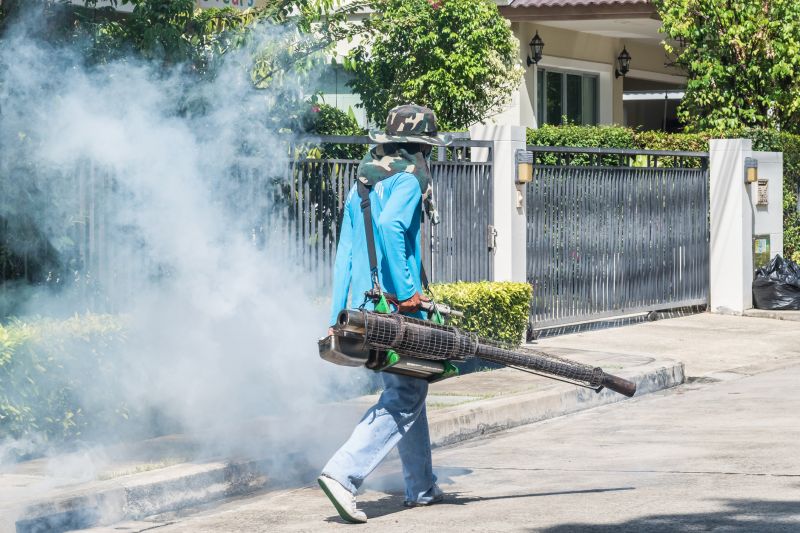
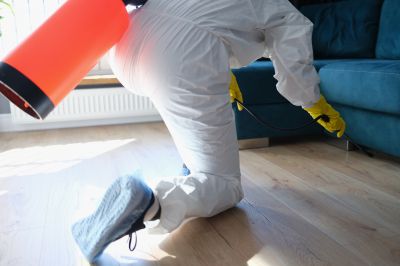
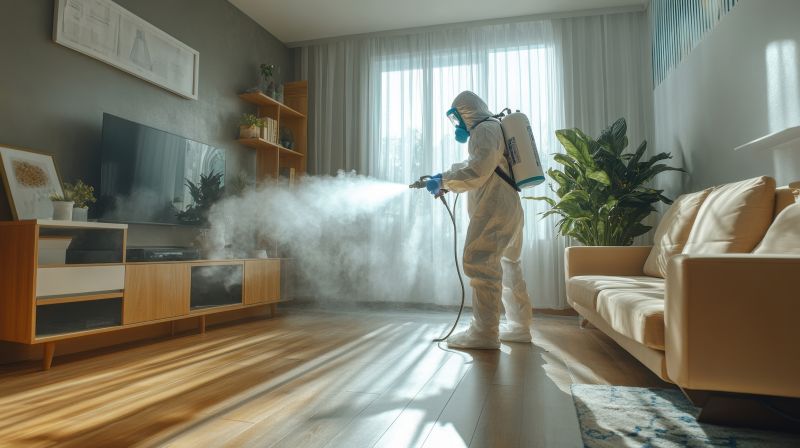
When people search for how fumigation works in residential and commercial buildings, they are often looking to understand the process used to eliminate pests or harmful insects that have invaded a property. This inquiry typically relates to situations where pests such as termites, bed bugs, or other insects have become a serious problem, or when preventative measures are being considered to protect a property from future infestations. Homeowners and business owners want to know how the process is carried out, what chemicals are used, and how effective it is at eradicating pests. Understanding these details helps them determine whether fumigation is the right approach for their specific situation and how local service providers can assist in addressing their pest concerns.
Fumigation in residential and commercial settings involves the controlled application of gaseous chemicals to a property to target pests that hide in hard-to-reach areas. Typically, the process begins with preparing the building-this includes sealing off windows, vents, and other openings to contain the gas. Once the property is sealed, a fumigant is introduced into the space using specialized equipment. The gas penetrates wood, fabric, and other materials where pests may be hiding or breeding. The duration of the treatment depends on the type of pest, the size of the property, and the specific chemicals used. After the exposure period, the property is ventilated thoroughly to remove any residual gases before it is safe to re-enter. Local contractors who specialize in fumigation are equipped to handle these procedures efficiently and safely, ensuring the process effectively addresses pest problems.
The types of properties that typically come up in discussions about fumigation include both residential homes and commercial buildings. In residential settings, fumigation is often used to treat severe termite infestations, bed bug problems, or other persistent pests that do not respond well to conventional treatments. For commercial properties, the scope can be broader, encompassing warehouses, restaurants, hotels, and office buildings where pest control is critical to maintaining health standards and business operations. These properties usually require a thorough and comprehensive approach because of their size and the complexity of their spaces. Local service providers who perform fumigation are experienced in managing the unique challenges of different property types, ensuring that the treatment is both effective and minimally disruptive to daily activities.
Understanding how fumigation works in residential and commercial buildings helps property owners see how this method fits into larger pest management plans. It is a specialized process that requires careful planning, preparation, and execution by experienced service providers. These professionals assess the property’s layout and pest problem to determine the best approach, including the type of fumigant to use and the necessary safety precautions. They play a vital role in ensuring the treatment is carried out correctly, minimizing risks while maximizing pest eradication. For property owners facing severe pest issues or seeking a thorough solution, connecting with local pros who specialize in fumigation can provide the expertise needed to address these challenges effectively.
Pest control treatments - pest control projects often involve the use of fumigation techniques similar to those used in residential and commercial building fumigation, requiring careful planning and specialized tools.
Structural pest inspections - inspecting buildings for pest infestations involves identifying vulnerable areas and understanding how pests can penetrate structures, which aligns with the planning phase of fumigation services.
Termite treatment services - termite treatments often include fumigation methods to eliminate colonies, making the skills and equipment used comparable to those in general fumigation for pest eradication.
Stored product pest control - managing pests in storage areas involves fumigation strategies to protect goods, similar to the techniques used in treating large commercial or residential spaces.
Mold remediation projects - mold removal sometimes requires containment and treatment methods that overlap with fumigation practices, especially in enclosed environments.
Building sealing and preparation - preparing buildings for pest control or treatment involves sealing and planning, which are essential steps in effective fumigation processes handled by local contractors.
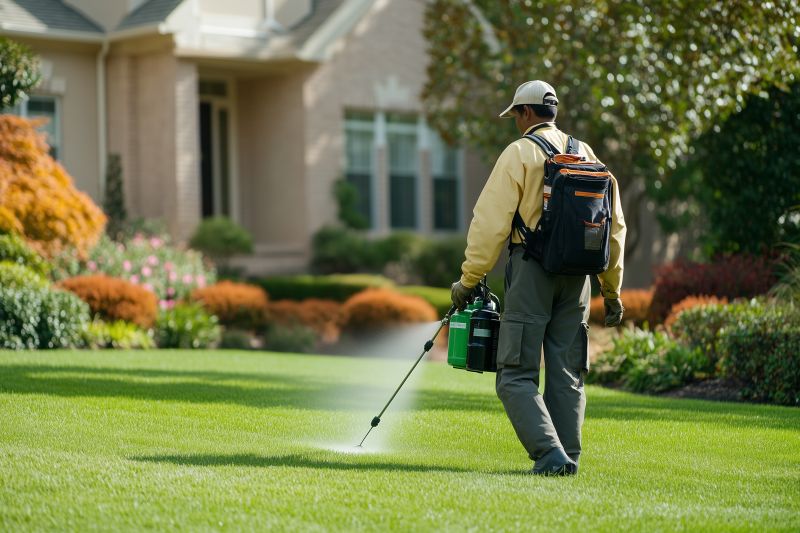
When evaluating service providers for fumigation in residential and commercial buildings, it’s important to consider their experience with similar projects. A contractor who has handled a range of fumigation jobs-whether for homes, offices, or larger commercial spaces-can better understand the nuances of each environment and the specific challenges involved. This experience often translates into more efficient procedures and a clearer understanding of the appropriate methods and products to use, which can contribute to a more effective treatment process. Homeowners and business owners should inquire about the types of properties the contractor has worked on and seek references that can attest to their familiarity with the complexities of different building types.
Clear written expectations are essential when comparing local service providers for fumigation services. A reputable contractor will be transparent about what the process involves, including preparation steps, the duration of the treatment, and post-fumigation procedures. Having detailed, written information helps ensure that there is mutual understanding about what the service includes and what the client can expect at each stage. This clarity can prevent misunderstandings and ensure that the property owner is fully informed about the scope of work, safety precautions, and any necessary follow-up actions, leading to a smoother and more predictable experience.
Good communication is a key factor in selecting a reliable fumigation service provider. A professional contractor should be responsive to questions, willing to explain the process in understandable terms, and able to provide guidance tailored to the specific needs of the property. Effective communication also involves keeping clients informed throughout the project and addressing any concerns promptly. When comparing local contractors, it’s helpful to consider how well they listen and whether they demonstrate a clear understanding of the work involved. This level of interaction can foster confidence that the provider will be attentive to details and committed to delivering a thorough and satisfactory service.
Property owners often search for how fumigation works in residential and commercial buildings when they are planning practical projects around their homes and businesses. Local pros provide Residential and Commercial Fumigation services for everyday jobs and straightforward project options.
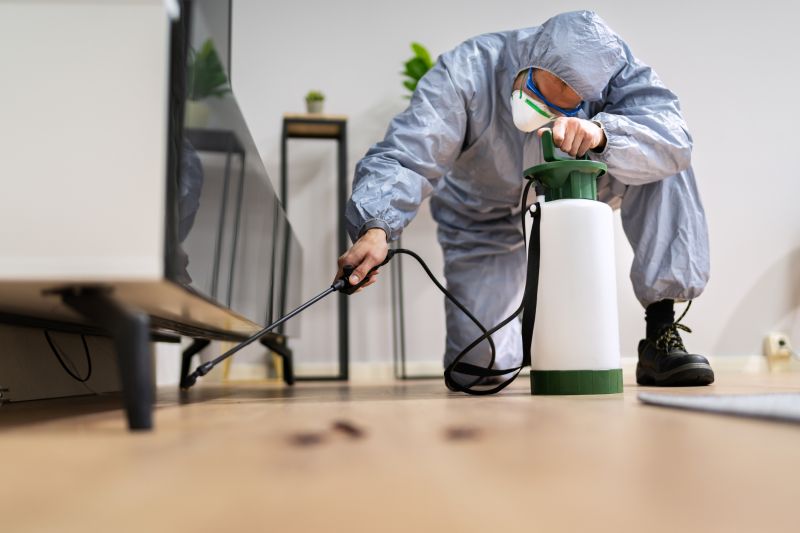

Understanding how fumigation works in residential and commercial buildings can help property owners address pest issues effectively. In typical situations, local contractors perform a detailed assessment of the property to determine the extent of the infestation and identify the appropriate fumigation method. The process usually involves sealing the building to contain the fumigant, which is then dispersed to penetrate hard-to-reach areas where pests hide. This approach is often used for severe infestations of termites, bed bugs, or other pests that are difficult to eliminate with conventional treatments.
Many property owners look into residential and commercial fumigation services when pests have become unmanageable through standard methods or when quick, comprehensive eradication is needed. Local service providers have the expertise to handle the entire process safely and efficiently, ensuring the building is properly sealed, the fumigant is evenly distributed, and the space is ventilated afterward. This comprehensive approach helps to restore the property’s comfort and safety, making it a practical solution for those facing persistent pest problems.
How does fumigation work in residential and commercial buildings? Fumigation involves enclosing the space and releasing a gas or vapor that penetrates all areas to eliminate pests or insects effectively. Local contractors use specialized equipment and products to ensure thorough coverage and pest eradication.
What types of pests can be eliminated through fumigation? Fumigation is effective against a variety of pests, including termites, bed bugs, cockroaches, and other insects that hide within walls, furniture, or hard-to-reach areas in both residential and commercial buildings.
How do local service providers prepare a building for fumigation? Preparation typically includes removing people and pets, covering or removing food items, and sealing the building to contain the gas. Local pros guide property owners through these steps to ensure safety and effectiveness.
Is fumigation safe for buildings after the process is completed? Once the fumigation process is complete and the building has been properly ventilated, it is safe for occupancy. Local contractors follow safety protocols to ensure the space is secure before re-entry.
How do local pros ensure the fumigation process is effective in residential and commercial settings? They assess the extent of pest infestation, select appropriate fumigants, and apply them systematically to ensure all targeted areas are treated thoroughly for complete pest elimination.
Understanding fumigation methods - property owners can explore how different fumigation techniques are applied in residential and commercial spaces with help from local contractors.
Preparing spaces for treatment - practical steps like clearing clutter or sealing entry points can be coordinated with local pros to ensure effective fumigation.
Choosing appropriate fumigation products - property owners might learn about the types of fumigants used and how local service providers select the best options for their buildings.
Post-fumigation procedures - guidance on safe re-entry and cleanup can be provided by local contractors to ensure the space is ready for use after treatment.
If you are thinking about how fumigation works in residential and commercial buildings for a property, this guide is meant to help you understand this topic, the typical project types, and how different options might fit your plans.
When you are ready, you can use the quote form on this page to share a few details about your project. From there, local pros can review the basics and follow up with options that match what you have in mind.